

What is Lifestyle Medicine and why does it matter?
Our world faces immense challenges: rising rates of chronic disease, unsustainable healthcare costs, and a planet under strain. Founded and led by pharmacist clinician Davena Norris, Dropseed Lifestyle Medicine is built on the understanding that medications alone are often not enough to manage chronic conditions. People deserve care that addresses the root causes of illness — not just the symptoms.
Unlike the traditional “sick care” model of our health system, Dropseed Lifestyle Medicine helps you address the root causes of chronic disease through the six pillars of lifestyle medicine — nutrition, movement, stress management, sleep, avoiding risky substances, and building community. With these tools, you can improve your health, safely reduce medications when appropriate, and work toward remission of conditions such as type 2 diabetes.

If you’re living with diabetes, high blood pressure, or other chronic health conditions that drain your energy, mood, and long-term health, Dropseed Lifestyle Medicine offers a different path forward.
The art of lifestyle medicine has brought deep purpose and meaning to the work at Dropseed. It has shaped a slower, more intentional approach — one that prioritizes listening, partnership, and care that truly makes a difference. Witnessing clients reclaim their health and knowing that Dropseed supported that journey is the greatest privilege.
What is Lifestyle Medicine?
Lifestyle medicine treats root causes with evidence-based therapeutic lifestyle interventions. It restores patient health, reignites joy in practicing healthcare, and prevents and reverses chronic conditions like type 2 diabetes, obesity, and cardiovascular disease.
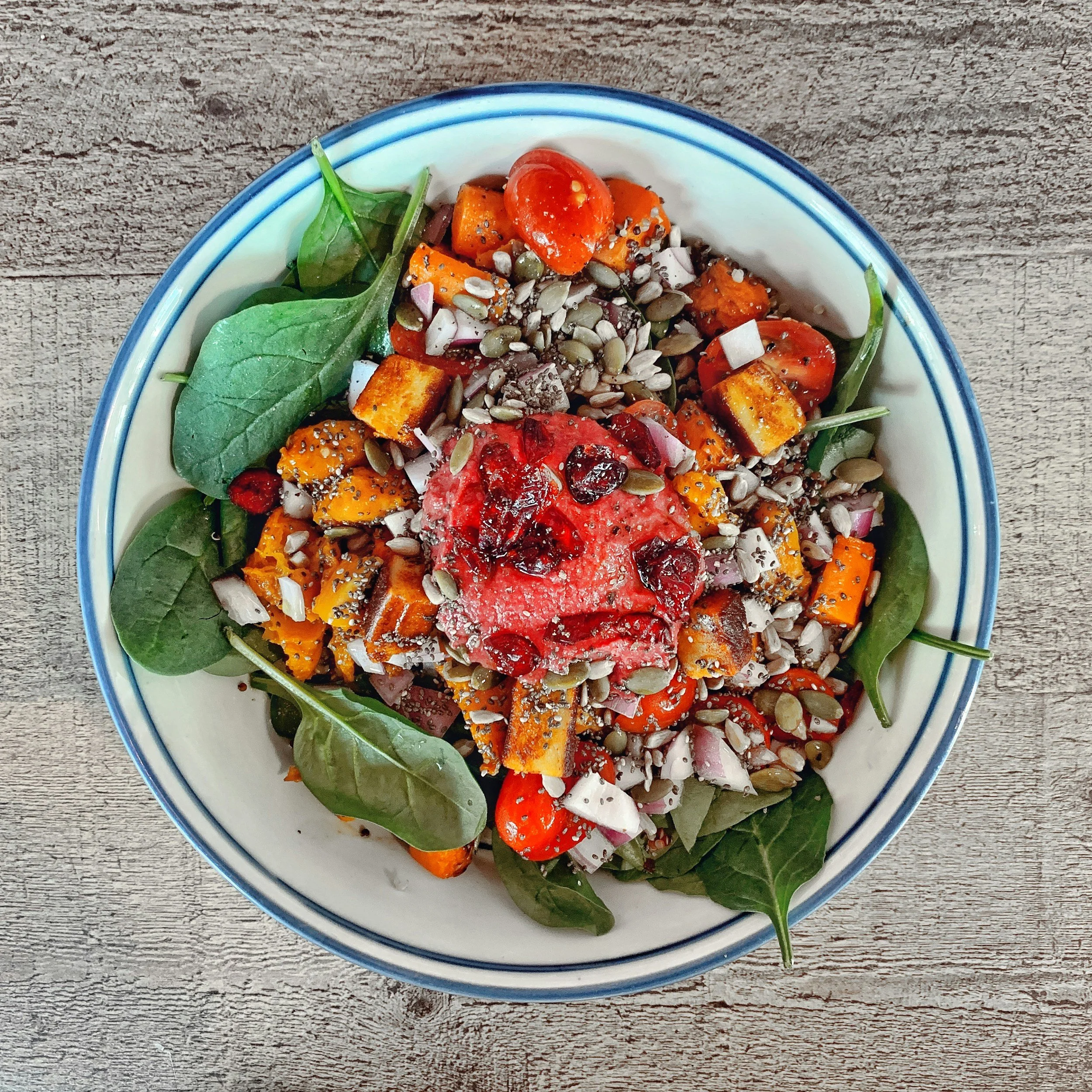
Nutrition
Poor diet is the single leading cause of premature death in America. Whole food, plant predominant eating (emphasizing vegetables, fruits, whole grains, legumes, nuts, and seeds) is key in changing this.

Restorative Sleep
Seven to nine hours of good sleep each night gives your body has a chance to rest and repair itself, reducing impaired memory, dementia, and cardiovascular disease.

Physical Activities
At least 150 minutes of moderate aerobic activity and at least two days of muscle-strengthening activity per week can prevent issues like heart disease and osteoporosis.

Stress Management
Building healthy coping skills counters cardiovascular disease, depression, insulin resistance and many other conditions.

Connectedness
Strong social connections and a sense of purpose lower your risk for depression and dementia.

Risky Substance Avoidance
Alcohol, tobacco, and other drugs dramatically increase the risk of death and chronic disease.